
Don't Kitnap
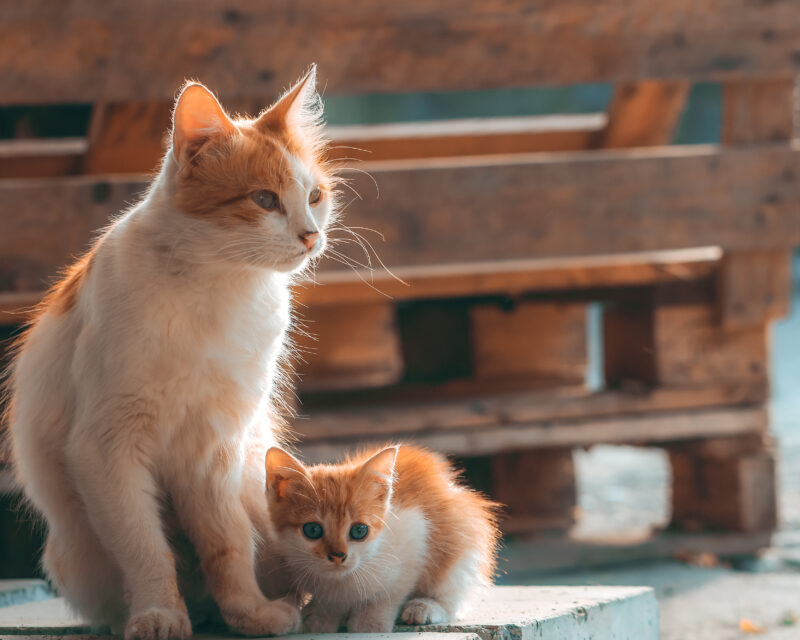
Mom will likely return. Please don’t intervene.
We are currently in “Kitten Season”, the time of year where we see an influx of kittens brought to the shelter. If possible, please consider keeping any kittens under 6 weeks from entering the shelter. Please note that we are experiencing longer than normal wait times for kitten intake processing. We remain open to receive all stray animals as needed.
When you find a litter of kittens, your heart will want to help, but the kindest thing you can do is walk away. Their mother will likely return soon, and she is their best chance at survival. If they’re not in immediate danger, trust that they’re okay and give them the chance they deserve to stay with their mom.
When to step in
1
Ask “Where is your mama?”
If you find a litter of kittens, know that mother cats usually don’t abandon them; she may just be searching for food or a safer spot. If the kittens look safe and clean, leave the area. Don’t hide nearby, as she can sense your presence. Check back in a few hours to see if she’s returned or moved them. Kittens have the best chance with their mother, so if they seem healthy, let her care for them.
2
What to do if mama comes back
You have two choices:
A. If the mother cat returns and is friendly, take your time to gain her trust, then move her and the kittens to a safe indoor spot. Keep them warm, dry, and separate from other pets. If you can’t foster them, reach out to friends, family, or neighbors—you might be surprised who’s willing to help!
B. If the mother cat returns but isn’t friendly, provide food and water, then clean up afterward. Get property owner permission if necessary. Once the kittens are 5-6 weeks old, trap, spay, and release the mother. Foster the kittens until they’re old enough to be adopted. The mother will return to her area as a community cat.
3
House Hunters: Feline Edition
If the mother cat doesn’t return and the kittens need to be removed, be prepared to follow through. Below are kitten care and spay/neuter resources.
If the kittens are eating wet food, they will soon be ready for new homes. Make a plan to get the kittens spayed or neutered when they reach 2 lbs (around 8 weeks). Cats can reproduce as early as 4 months, so act fast. If they can’t eat on their own, check our at-home resources. Kittens this young won’t survive in a shelter; their best chance is in a home. Warm them first, then feed.
4
Be a Kitten Hero!
If you bring kittens to a shelter, they might struggle to find a foster. You can help by providing a warm, safe space—like a bathroom or dog crate—and keeping them well-fed. If they can’t eat, mix wet food with warm water to make “mush.” Spend time cuddling them to help them trust humans. It’s a big job, but someone has to do the cuddling!
Heroes keep kittens OUT of shelters. As a foster parent, HSPPR will supply you with everything you need and offer support while you care for the kittens at home. We provide all medical care, food, vaccinations, and spay/neuter surgeries— you just provide the loving home!
These kittens do NOT need your help
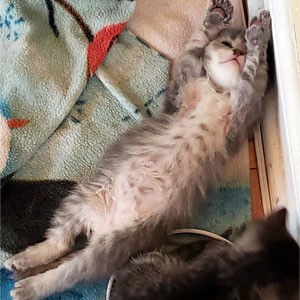
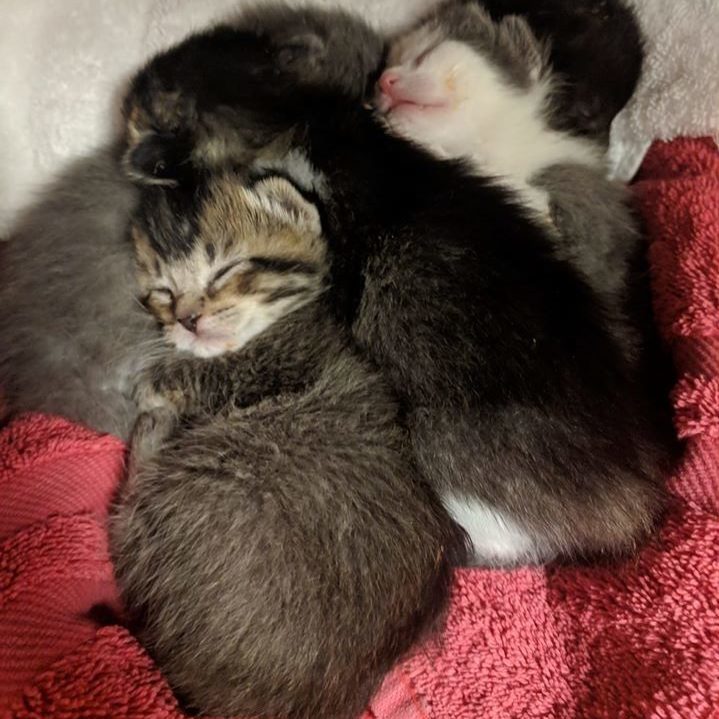
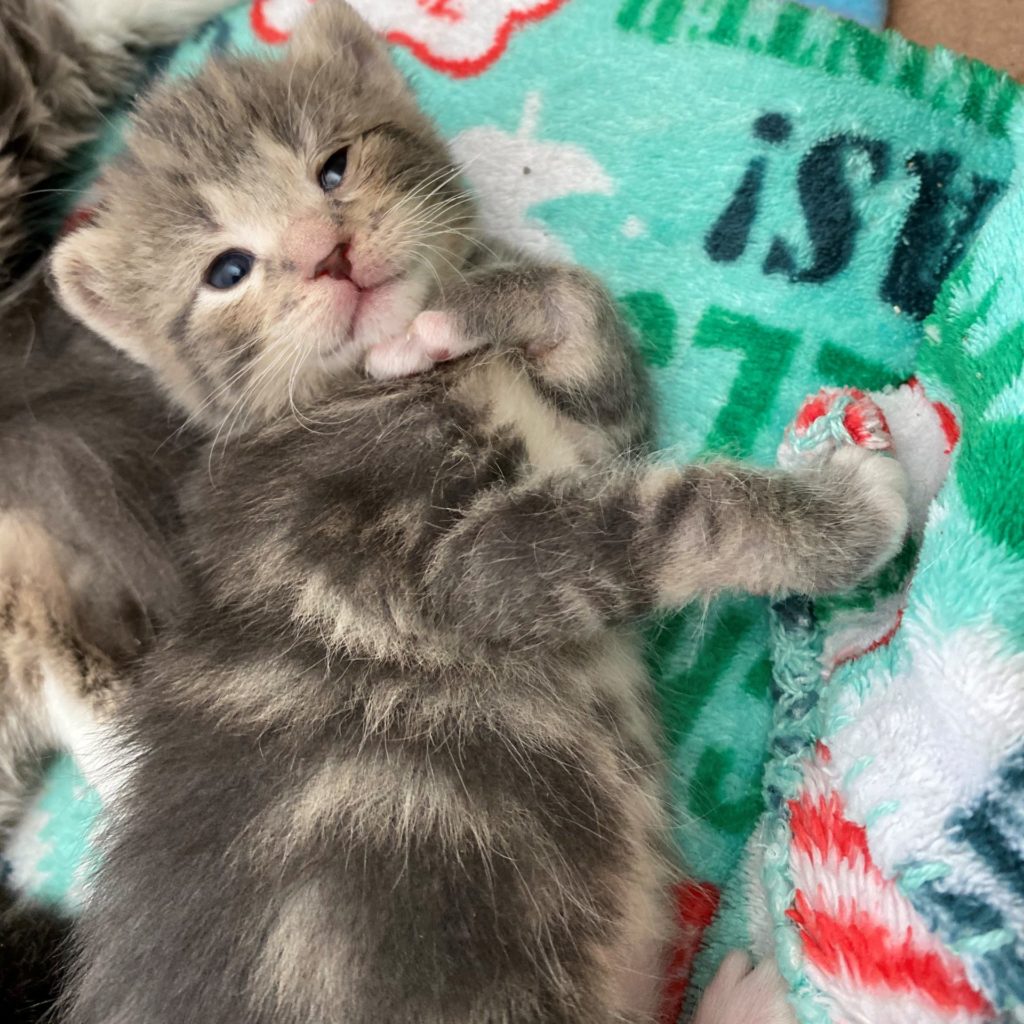
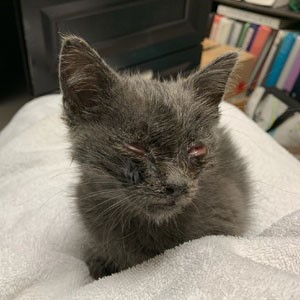
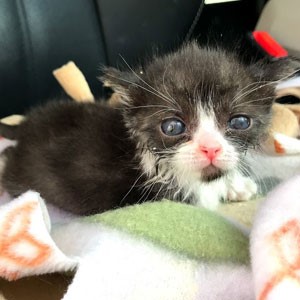
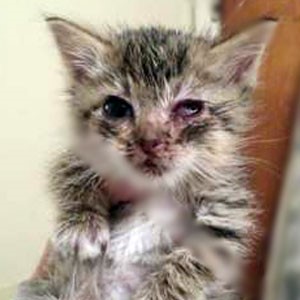
These kittens DO need your help
THIN
Kittens with a mom should be eating frequently. Their bellies will typically have a full, rounded appearance. Sunken bellies, visible bones, and pale skin can indicate that the kittens need help and aren't being fed.
DIRTY
A good mama cat keeps her babies meticulously clean. Kittens that need your help may have dirt, feces, or crusted urine on their bodies. They may be wet. Their genital areas may be red and inflamed, indicating urine scalding.
SICK/ HURT
Sick kittens might have discharge from the eyes and nose. Their eyes may be crusted shut. They may have wounds or open sores.
COLD
Cold young kittens cannot regulate their own body temperature and rely on mom, their siblings, and nesting material to keep them warm. They may lose some heat when mom is not with them, so unless they ALSO fit any of the other descriptions below, leave them and check again in 2-4 hours to see if mom came back.
NOISY
Orphaned and hungry kittens will cry loudly. But loud kittens alone does not indicate that they are orphaned. Mom does not stay with the kittens all day long and might be on her way back. She might even be watching you in the shadows, waiting for YOU to leave her babies alone. Leave these kittens alone for 2-4 hours, then check on them again. If they are quiet when you return, that means mom has probably been back to care for them, and you should let her keep up the good work.
Spay & Neuter Assistance
The American Veterinary Medical Association advocates that all cats be fixed by no later than five months. The following local organizations can provide low-cost spay/neuter for cats.
Trap-Neuter-Return (TNR)
For help caring for kittens, please use our resource library below.
Kitten Lady – Kitten Care Booklet
Kitten Care Videos by Maddie’s Fund
Kitten Care – Routine Basics Video
Kitten Feeding Chart- How Much to Feed and When
Kitten Lady – Kitten Care Booklet
Kitten Care Videos by Maddie’s Fund
Kitten Care – Routine Basics Video
More local help for orphaned kittens
Address: 5975 Burgess Rd, Colorado Springs, CO 80908
Address: 1700 S Prairie Ave, Pueblo, CO 81005
719.564.3776
After Hours: 719.250.0262
Address: 327 Manitou Ave, Manitou Springs, CO 80829
(719) 362-4600
Address: 2129 E Boulder St, Colorado Springs, CO 80909
(719) 331-6852