
- Volunteer
- Select a Section
Foster Care
Open Your Home. Change a Life. Sign Up to Foster.
Fostering is one of the most impactful ways you can help animals in our care. By temporarily opening your home, you provide a safe, quiet, and loving environment where animals can heal, grow, and thrive, all while making space at the shelter for the thousands of animals who need us each year.
Fostering is Free! We Support You Every Step of the Way
We provide training, all supplies, and ongoing support throughout your foster experience. All we ask from you is your collaboration, commitment, and a clean, safe home where animals can feel comfortable and loved.
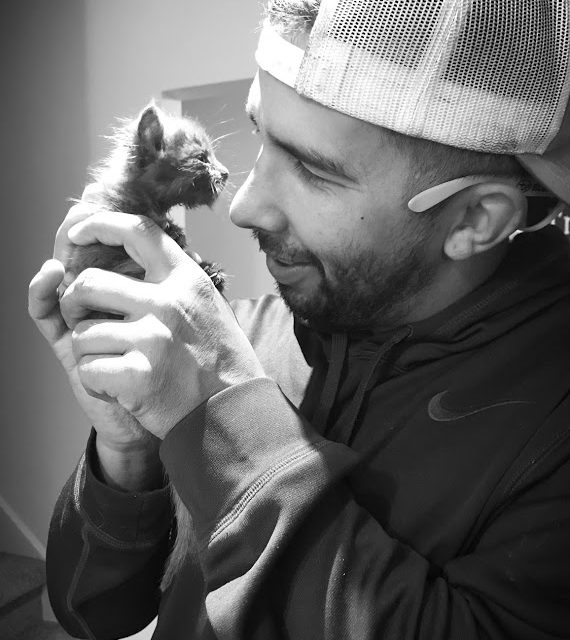
Our Greatest Foster Needs
While fostering is especially critical for underage and medically fragile animals, many healthy animals also benefit greatly from foster care. We are especially looking for fosters willing to help with the following:
- Underage, weaned kittens
- Kittens and puppies needing bottle feeding
- Nursing mother dogs or cats
- Dogs and cats recovering from medical conditions or surgeries
- Shy or fearful dogs or cats who need socialization
More than Cats and Dogs
In addition to dogs and cats, we also work with small mammals and exotic species who may need foster homes from time to time. If you’re interested in fostering rabbits, guinea pigs, sugar gliders or other small animals, there may be opportunities to help!
Requirements to become a foster volunteer
- Being at least 18 years of age, or having an adult supervisor
- Having reliable transportation to pick up and return foster animals and attend appointments as needed
- Not exceeding the number of pets allowed in your home (usually no more than 8 animals total including fosters), based on zoning regulations and your city of residence
- Ensuring your own pets are current on vaccinations
- Ability to use email and access/use the internet
- Completing a home visit prior to fostering, as required by state law
Is Fostering Right for You?
Fostering can be incredibly rewarding – yet at times, emotionally challenging. We encourage you to read through our Frequently Asked Questions and The Highs and Lows of Fostering to learn more about what to expect. If you’re ready to make a difference, sign up to foster today using the buttons below and help give animals the care and comfort they need on their journey to a new home!
Fostering FAQs
You will need to fill out an online foster volunteer application. Our Foster Care Team will then email you a link for the Foster Orientation as well as information for setting up a state mandated home inspection.
We accept foster homes in El Paso and Pueblo Counties. If you have questions about how far you are from our shelter, please contact the Foster Care Team and we can help.
Providing a safe, ‘kitten/puppy-proofed’ room in your home that contains the animals’ necessities: food, water, bedding, litter box, potty pads/newspapers, toys, etc. You are responsible for ensuring that your foster animal receives any scheduled medical treatments on time through the shelter, is healthy, and well socialized.
The foster room needs to be a designated ‘kitten/puppy-proofed’ place for your foster animals. A spare bedroom, den, unoccupied office, or large bathroom with plenty of space for a litter box, food and water dishes as well as sleep and play areas is recommended.
We provide all the basics! This includes a litter box and litter (cats/kittens), puppy pads or newspaper (dogs/puppies), food and bowls/dishes, toys and scratching implement, bedding and other small incidentals as well as vaccines and medications necessary. However, if you need help with any other supplies, we will do our best to help you.
Socialization is just as important as feeding and keeping your foster animals clean. We ask that you spend quality, intentional time with your foster animal(s). Play with them and help them learn that hands are not toys. Snuggle them so they become comfortable with gentle, kind human touch. Take puppies outside so they can learn that grass and new environments are not scary. By doing this, you are helping these young animals grow into confident, well-adjusted adults. At least twice a day, check on your foster group to ensure they are healthy, eating well, and urinating/defecating normally. Plan to spend approximately 1–2 hours per day interacting with and socializing your foster group.
Foster animals will need to be kept separate from resident animals for two weeks. Our animals may appear healthy upon intake but can harbor illness, so it is very important for you to keep your pets separated from foster animals for at least the first two weeks to ensure no symptoms of illness arise. After a two-week period, your pets can meet your foster animals if your pets are current on vaccinations and indoor-only (cats/kittens). If your foster animals or resident animals are sick, they may not interact. All interactions must be directly supervised.
We encourage your children to have supervised interaction with foster animals. Children should not be permitted to handle newborn puppies or kittens. Caution and direct supervision is a must!
Yes, with approval and appointment. We will try to work with you on setting an appointment if you are the foster volunteer to get the kittens/puppies processed and into the system as quickly as possible. If you cannot foster this litter, it may take us some time to find a foster home. We will do our best to work with you.
For everyone’s protection and safety, all resident pets in the home are required to be up-to-date on core vaccinations; DAPPv and Rabies for dogs, FVRCP and Rabies for cats. It is also highly recommended for dogs to have the Bordetella vaccine for protection against kennel cough due to the high risk of shelter animals harboring this illness. Owned pets are not required to be spayed or neutered in order to foster. However, we do strongly encourage resident pets to be altered. We offer low-cost vaccinations, spay and neuter services for the public with appointments available through our website.
Foster animals are not permitted to travel with you on vacations or long-distance trips outside of Pueblo or El Paso Counties. If a medical emergency occurs while outside of these areas, HSPPR cannot cover expenses at non-partnered veterinary facilities. If you’re planning to be away, don’t worry! We’re happy to help coordinate a temporary swap with another foster so your foster animal(s) continue to receive great care while you’re gone!
We generally do not offer foster-to-adopt due to the time and resources required for our foster volunteer onboarding process. Instead, we recommend moving forward with adoption if you feel it’s a good fit. If things don’t work out, we do have a return period in place to ensure the animal can come back to us and find the right home.
Fostering is incredibly rewarding, but it can also be emotionally challenging. While foster animals receive high-quality, individualized care that greatly improves their chances of survival, loss can sometimes occur and it is important to know it is not a reflection of your fostering abilities. Saying goodbye can also be difficult, even when it’s a happy one. Foster families often form strong bonds with their animals. If you choose, you may adopt your foster through the normal adoption process or welcome another foster to help ease the “empty nest” feeling while continuing to save lives. For more information, please see the Highs and Lows of
Fostering handout.