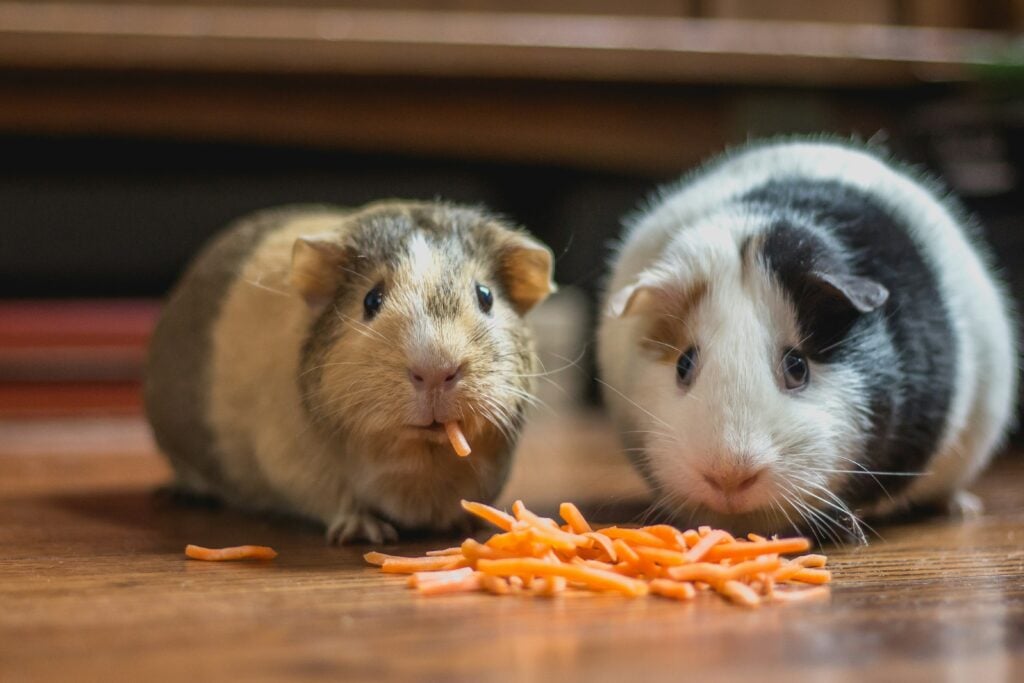
Guinea Pigs
Guinea pigs are gentle, chatty little companions who love routine and social time. They can be a great way to introduce children to the responsibilities of having a pet with adult supervision.
Pet Tips:
- Diet: Provide unlimited
 fresh hay, a small portion of guinea pig pellets, and daily fresh vegetables. Guinea pigs need vitamin C in their diet, which their bodies cannot produce.
 - Habitat Setup: A spacious enclosure with solid flooring, soft bedding, and hiding spots is a must. Wire floors can hurt their feet and should be avoided.
- Health: Keep an eye out for changes in appetite, weight, or behavior. Guinea pigs benefit from regular checkups with a veterinarian who sees small animals.
- Behavior: These social animals often do best with a compatible companion and will happily squeak to let you know how they are feeling.
- Tunnels, chew toys, and safe floor time outside the enclosure help keep guinea pigs active and engaged.
 fresh hay, a small portion of guinea pig pellets, and daily fresh vegetables. Guinea pigs need vitamin C in their diet, which their bodies cannot produce.
Rabbits
Rabbits are smart, sensitive animals with unique personalities. With patience and proper care, many rabbits form strong bonds with their people.
Pet Tips:
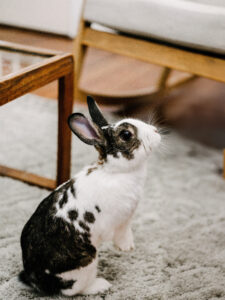
- Diet: Offer unlimited hay, fresh leafy greens, and a measured amount of rabbit pellets. Fresh water should always be available.
- Habitat Setup: Rabbits need room to hop, stretch, and explore. Large enclosures or exercise pens work best, and many rabbits can be litter box trained.
- Health: Regular grooming and nail trims are important. Spaying or neutering helps prevent health issues and can improve behavior.
- Behavior: Rabbits enjoy interaction but on their own terms. Gentle handling and quiet environments help them feel safe.
- Enrichment: Cardboard boxes, paper bags, and chew-safe toys encourage natural behaviors and prevent boredom.
Mice & Rats
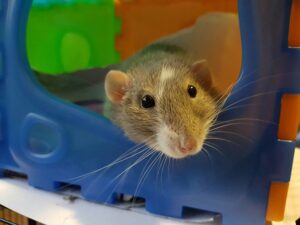
Rats and mice are often overlooked, but they are intelligent, curious, and surprisingly affectionate pets.
Pet Tips:
- Diet: Feed a balanced
 commercial rodent diet and supplement with small amounts of fresh fruits and vegetables.
 - Habitat Setup: A secure enclosure with multiple levels, nesting materials, and good ventilation allows rodents to climb and explore.
- Health: Clean habitats regularly and watch for signs of respiratory issues, which are common in rodents.
- Behavior: Rats are highly social and usually thrive in pairs or small groups. Mice may also benefit from companionship depending on species and sex.
- Enrichment: Tunnels, climbing toys, and supervised exploration time help keep their minds busy.
 commercial rodent diet and supplement with small amounts of fresh fruits and vegetables.
Birds
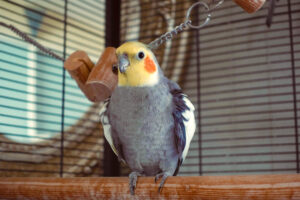
Birds like parakeets, doves, and parrots are social, intelligent animals who thrive on interaction and mental challenges.
Pet Tips:
- Diet: A balanced diet
 often includes pellets, fresh fruits and vegetables, and limited seeds depending on the species.
 - Habitat Setup: Cages should be large enough for birds to fully spread their wings and include perches of varying sizes.
- Health: Birds are experts at hiding illness, so even small changes in behavior or appearance should be taken seriously.
- Behavior: Many birds enjoy companionship and regular interaction with people or other birds.
- Enrichment: Rotate toys, offer foraging activities, and allow supervised out-of-cage time when safe.
 often includes pellets, fresh fruits and vegetables, and limited seeds depending on the species.
Bearded Dragons
Bearded dragons are popular reptile pets known for their calm demeanor and expressive behaviors.
Pet Tips: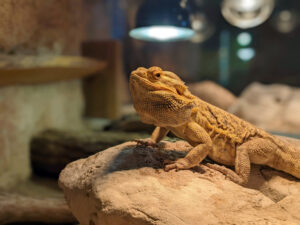
- Diet: Feed a mix of insects and fresh vegetables based on age. Calcium and vitamin supplementation are essential.
- Habitat Setup: A large enclosure with proper temperature gradients, basking spots, and UVB lighting helps support healthy growth.
- Health: Inadequate lighting or nutrition can lead to serious health issues, making routine vet care important.
- Behavior: Bearded dragons are generally tolerant of handling when supported properly.
- Enrichment: Climbing structures, textured surfaces, and safe changes to their environment help keep them stimulated.